

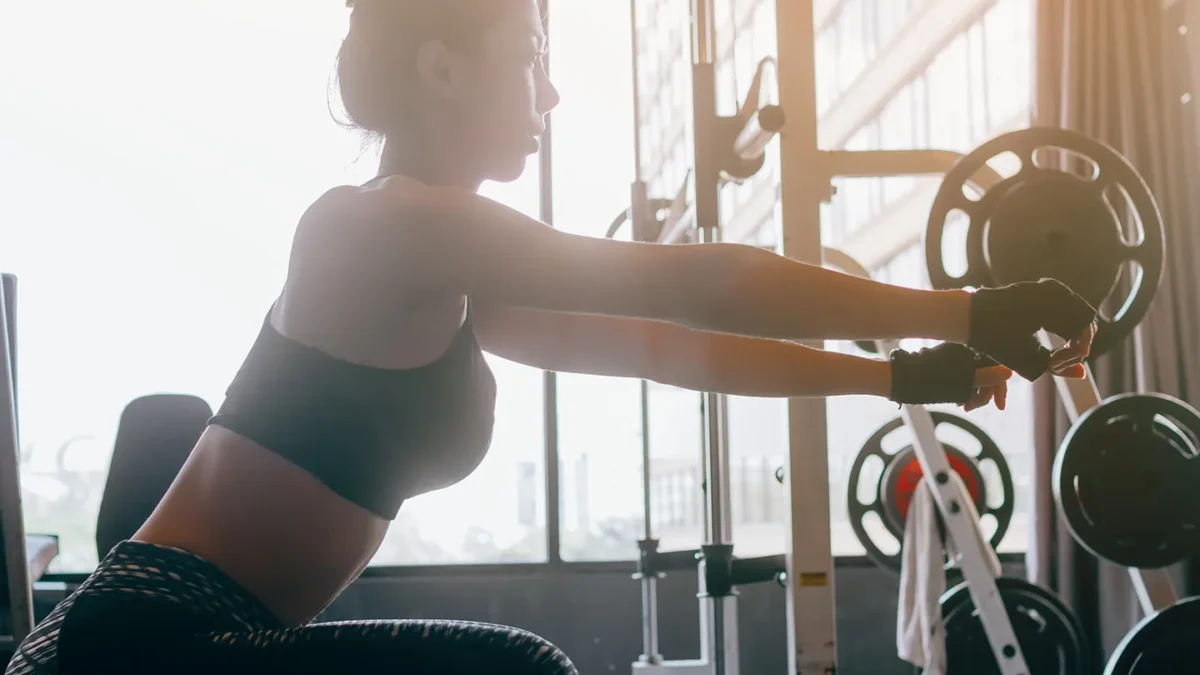

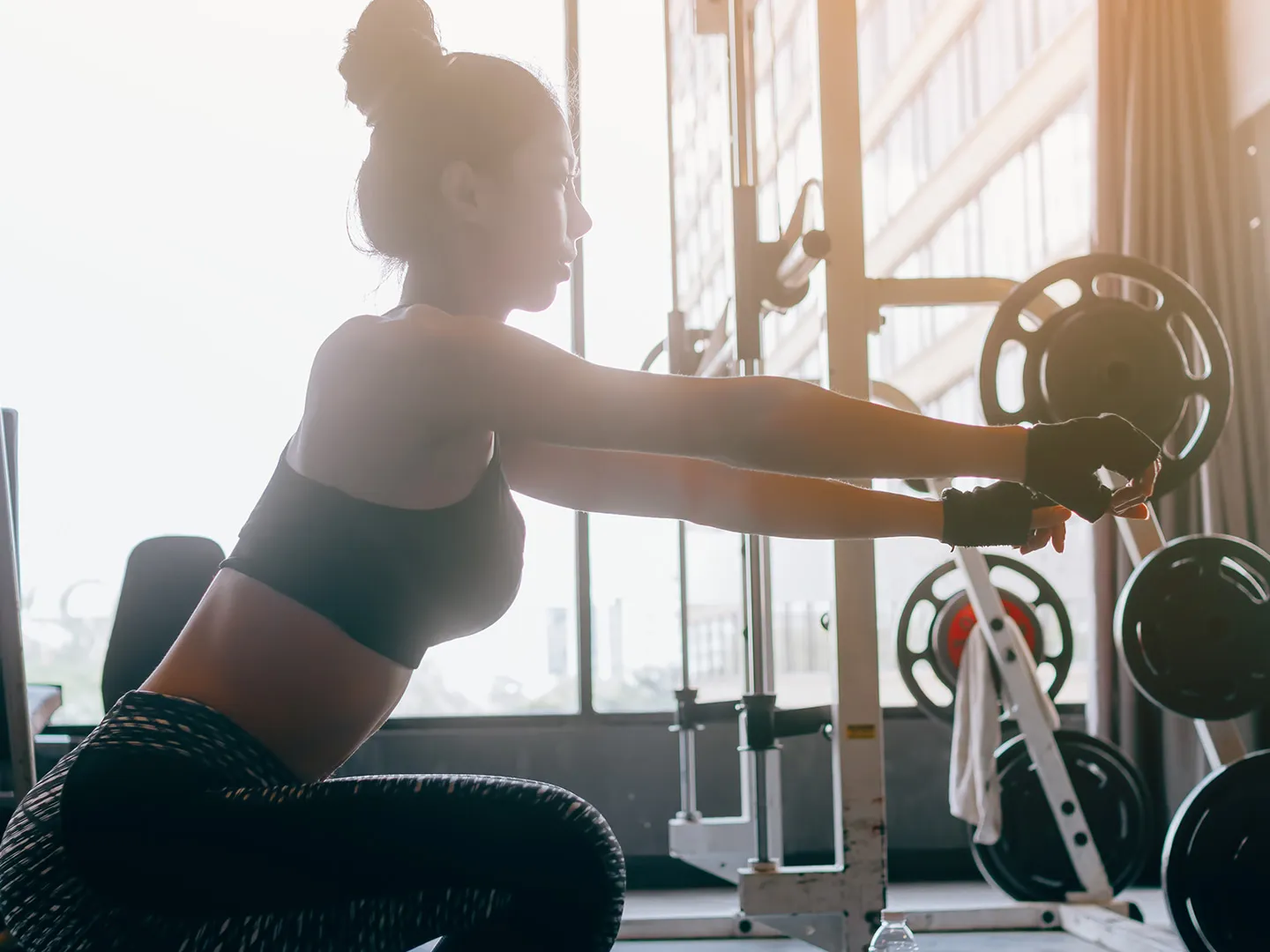
Technology has transformed fitness, not only through apps and wearables but also through the machines and tools inside the gym itself. One of the most significant advancements is the use of biomechanics equipment, which provides precise measurements and insights into how the body moves. When integrated into a gym fitness program, biomechanics tools elevate training from guesswork to science, helping individuals improve performance, prevent injuries, and achieve results more efficiently.
What Is Biomechanics in Fitness?
Biomechanics is the study of how the body moves, combining principles of physics, anatomy, and engineering. In the context of fitness, it looks at how muscles, joints, and bones interact during exercise. Biomechanics equipment measures these interactions to identify inefficiencies, imbalances, or risks, allowing trainers to make informed adjustments.
Why Biomechanics Equipment Matters in Gym Training
Traditional workouts often rely on observation and experience. While skilled trainers can spot poor form, they may not always identify subtle imbalances or force distribution issues. Biomechanics equipment provides objective data that enhances accuracy and personalisation.
Key advantages
-
Identifies muscle imbalances
-
Tracks joint stability and range of motion
-
Measures force output and movement efficiency
-
Detects risky movement patterns before injuries occur
-
Provides benchmarks for progress monitoring
Types of Biomechanics Equipment in Gyms
Force plates
These measure ground reaction forces when an individual jumps, squats, or runs. They are useful for assessing balance, explosive power, and asymmetries between legs.
Motion capture systems
Using cameras or sensors, these systems track body movements in three dimensions. They are particularly valuable for analysing complex lifts such as deadlifts or Olympic weightlifting.
Isokinetic machines
These machines control speed while measuring the force generated. They are often used in rehabilitation to evaluate muscle strength across different ranges of motion.
Electromyography (EMG)
EMG sensors detect muscle activation patterns, showing which muscles are working and how intensely during different exercises.
Pressure mapping systems
Used in footwear or mats, these systems show how body weight is distributed. They are beneficial for runners and athletes focusing on foot mechanics.
Enhancing a Gym Fitness Program With Biomechanics
Improving technique
Data from biomechanics equipment helps correct form. For example, a force plate may show that someone places more weight on one leg during squats, prompting trainers to address balance issues.
Personalising programs
Instead of relying solely on generic templates, trainers can build highly customised routines based on data about strength levels, flexibility, and muscle activation.
Preventing injuries
By highlighting weak links in movement, such as unstable knees or poor hip mobility, biomechanics assessments reduce the risk of overuse injuries.
Tracking progress
Objective data provides benchmarks. Athletes and fitness enthusiasts can see tangible improvements in force output, symmetry, or range of motion over time.
Biomechanics in Rehabilitation
Biomechanics equipment is not only for athletes but also for those recovering from injuries. For example, isokinetic machines are often used to rebuild muscle strength after surgery. Motion capture systems can help correct gait patterns for those with mobility issues. Integrating these tools into a gym fitness program ensures rehabilitation is safe and effective.
Everyday Applications for Singapore Gym Goers
While biomechanics may sound highly technical, its benefits extend to everyday people in Singapore. Busy professionals with poor posture from long office hours can use motion analysis to correct spinal alignment. Runners training for marathons can benefit from pressure mapping to adjust stride and reduce injury risk. Seniors working on mobility can track improvements in joint range of motion.
Challenges of Biomechanics Equipment
While powerful, biomechanics equipment has limitations. It requires skilled trainers to interpret data correctly, and high-end machines can be costly. Additionally, not every gym may have access to advanced systems. However, as technology becomes more affordable, biomechanics tools are slowly entering mainstream fitness spaces.
The Future of Biomechanics in Fitness
As technology evolves, biomechanics equipment is becoming more compact, user-friendly, and integrated into regular gym machines. Smart resistance machines that automatically adjust load based on force feedback are already in development. This means the future of gym training will likely see a seamless blend of biomechanics science and everyday workouts.
How TFX Singapore Embraces Innovation
At TFX Singapore, innovation is central to the fitness experience. While traditional methods remain effective, incorporating technology-driven insights such as biomechanics assessments helps members achieve results more efficiently. Trainers use a blend of observation, scientific data, and customised programming to deliver safe and progressive results for diverse fitness goals.
FAQs on Biomechanics and Fitness
Q1. Do regular gym goers really need biomechanics equipment?
Yes, while elite athletes benefit most, everyday gym members can also use biomechanics tools to improve posture, technique, and injury prevention.
Q2. Is biomechanics equipment only for advanced training?
No. Beginners can benefit as much as advanced athletes, since data helps establish good form and balanced training early on.
Q3. How often should biomechanics assessments be done?
Every 8 to 12 weeks is ideal to monitor progress and adjust programmes accordingly.
Q4. Can biomechanics replace a personal trainer?
No. Data provides insights, but trainers interpret results and apply them to practical programmes. Human expertise remains essential.
Q5. Is biomechanics equipment available in all gyms in Singapore?
Not yet. While some premium gyms and sports science facilities offer it, availability is still growing. However, as technology becomes more cost-effective, it will likely expand to more locations.
Q6. How does biomechanics help in preventing injuries?
It highlights imbalances and weaknesses that could lead to injuries. By correcting these issues early, the risk of strain or overuse injuries is reduced.
Q7. Can biomechanics equipment help with weight loss goals?
Indirectly, yes. While biomechanics itself does not burn calories, it ensures movements are efficient and safe, allowing individuals to train harder and longer without setbacks.
