

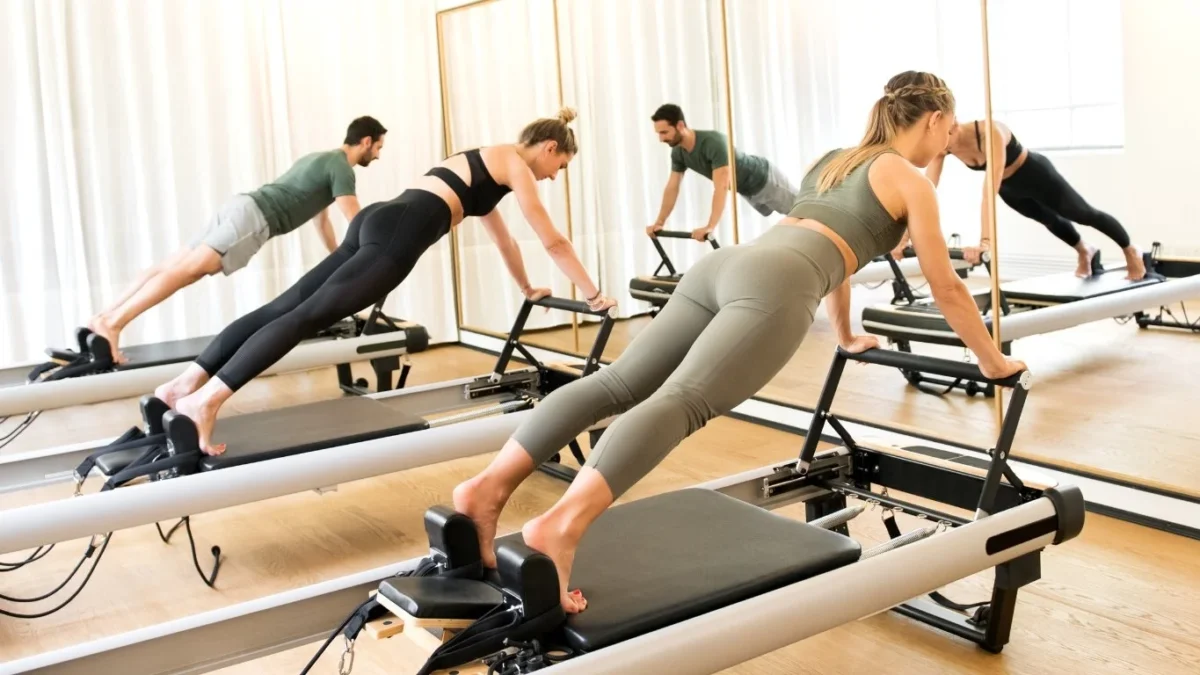

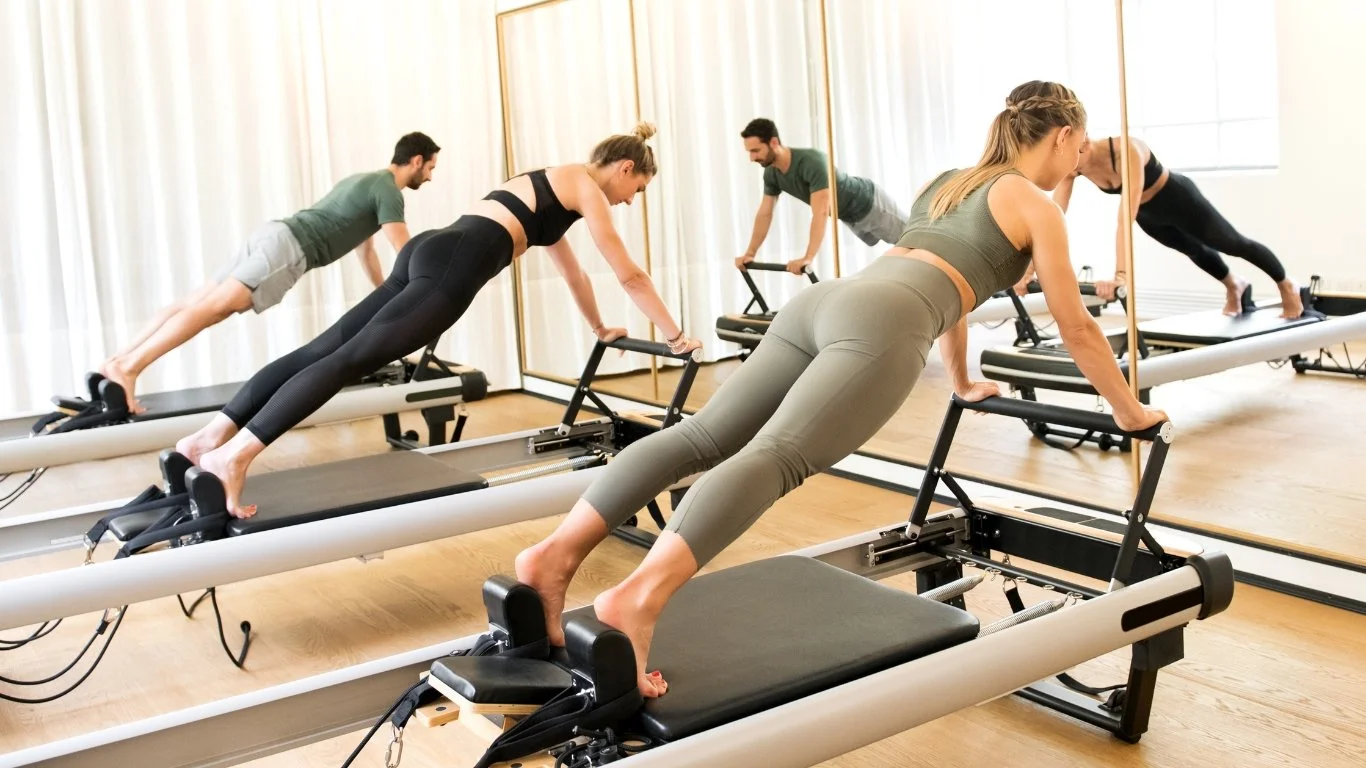
Singapore is known for embracing innovation in every industry, and fitness is no exception. The rise of reformer pilates Singapore reflects how technology and wellness now work hand in hand. Modern Pilates studios and at-home practitioners are using digital tools to track performance, monitor posture and personalise workouts. These advancements have made reformer Pilates more accessible, data-driven and engaging, appealing to both beginners and experienced practitioners who value measurable progress.
The Evolution of Pilates in a Digital Era
Pilates was originally created as a body-weight discipline focused on alignment and breath control. Over the decades, the method evolved to include equipment such as the reformer, which introduced springs and resistance mechanisms. Today, technology has taken this evolution further by integrating sensors, digital resistance settings and interactive coaching into the traditional reformer machine.
In Singapore, where technology adoption is among the highest in Asia, reformer Pilates studios are experimenting with smart machines and virtual classes to offer more personalised experiences. This modernised approach not only keeps practitioners motivated but also supports precision, which is central to Pilates philosophy.
Smart Reformer Machines: The Next Generation of Pilates Equipment
Traditional reformers rely on mechanical springs to provide resistance, but smart reformers use digital calibration. They can record resistance levels, repetitions and range of motion for every exercise. Some even offer built-in screens displaying real-time feedback and video demonstrations.
Key features of modern smart reformers include:
-
Digital resistance control: Adjusts tension precisely for each exercise, removing manual spring changes.
-
Performance tracking: Stores individual workout history, helping users monitor progress over time.
-
Posture correction sensors: Alert users when alignment deviates from optimal form.
-
Integrated coaching systems: Provide voice or visual guidance during sessions.
-
Cloud connectivity: Allows users to sync sessions with apps for progress analysis or remote coaching.
For busy Singapore professionals who value time and efficiency, such tools turn reformer Pilates into a measurable, intelligent fitness experience.
The Role of Mobile Apps in Pilates Practice
Smartphones have become an integral part of fitness routines, and Pilates is no exception. Many apps now offer guided reformer workouts, posture tracking, and custom class scheduling. Some even connect directly to reformer equipment or wearables, giving users detailed reports on performance and body metrics.
In Singapore, where mobile usage is exceptionally high, these apps have encouraged people to practise Pilates consistently. They enable scheduling flexibility, especially for those balancing demanding work schedules and personal commitments.
Common features of Pilates apps include:
-
Video-led reformer routines that can be followed at home.
-
Personalised plans based on experience and fitness goals.
-
Integration with Apple Health, Fitbit or Garmin for real-time monitoring.
-
Reminders and streak trackers that boost accountability.
These digital companions have made reformer Pilates accessible beyond the studio, fostering long-term commitment and discipline.
The Growth of Virtual Reformer Pilates Classes
The pandemic accelerated the rise of virtual fitness classes, and Pilates studios in Singapore quickly adapted. Online reformer Pilates sessions now allow participants to join from home using their own machines or portable props. High-quality streaming platforms and camera technology have made virtual instruction more interactive than ever.
Virtual classes are particularly appealing for expatriates and working parents who want flexibility without compromising quality. Many Singapore-based instructors conduct hybrid programs — offering both in-person and online sessions — to cater to diverse lifestyles.
While in-person correction remains irreplaceable, virtual training ensures that consistent practice continues, regardless of time or location.
Wearable Tech: Tracking Form, Effort and Progress
Wearables such as smartwatches and motion trackers have become a powerful complement to reformer Pilates. They measure heart rate, breathing rhythm and calorie burn during sessions, helping practitioners monitor intensity. Some devices also include posture sensors that alert users when they start to slouch or misalign during reformer work.
For example, wearing a fitness band during a Pilates class can reveal patterns like muscle engagement imbalance or heart rate zones achieved. This feedback empowers users to adjust their technique, improving efficiency and reducing injury risk.
In Singapore’s data-driven environment, these insights appeal to tech-savvy individuals who want tangible results from their workouts.
Artificial Intelligence and Pilates Personalisation
Artificial intelligence is transforming the fitness industry by analysing movement data and predicting performance patterns. AI-enabled Pilates systems use motion capture or camera-based recognition to provide real-time feedback on alignment and rhythm.
Imagine completing a reformer sequence while an AI coach adjusts your resistance settings or suggests modifications. Such technology is no longer futuristic — it’s already emerging in boutique fitness setups and smart home gyms.
In Singapore, AI integration into wellness programs reflects the city’s broader commitment to digital transformation. The combination of human expertise and algorithmic precision delivers a safer and more efficient Pilates experience.
Benefits of Integrating Technology into Reformer Pilates
The technological evolution of reformer Pilates offers numerous advantages beyond convenience.
1. Enhanced Precision:
Sensors and digital feedback help identify subtle misalignments that the human eye might miss, improving accuracy in every movement.
2. Real-Time Motivation:
Gamified interfaces and progress tracking encourage consistency. Seeing measurable results reinforces motivation and commitment.
3. Personalisation:
Smart systems adapt workouts to each user’s body type, posture history and mobility level.
4. Accessibility:
Virtual classes and apps remove barriers of time and travel, making reformer Pilates accessible to anyone in Singapore.
5. Safety and Injury Prevention:
Feedback sensors and video demonstrations reduce the likelihood of incorrect form, especially for those practising at home.
This combination of innovation and body awareness ensures Pilates retains its core essence while becoming more inclusive and adaptive.
Balancing Technology with the Human Touch
While digital tools enhance the reformer Pilates experience, human instruction remains essential. Pilates is as much about body awareness as it is about precision, and instructors provide the intuition and empathy that machines cannot replicate.
Technology should serve as a complement, not a replacement. The goal is to empower practitioners with knowledge, not to disconnect them from mindful movement. Many Singapore studios strike this balance by integrating smart equipment while maintaining personalised coaching.
The Future of Pilates in Singapore
As Singapore continues to lead the region in wellness innovation, reformer Pilates will likely become even more tech-integrated. Studios may introduce AI-led assessments during onboarding, smart mirrors for form correction, and immersive virtual classes that blend augmented reality with live instruction.
At-home reformer equipment is also evolving, with compact, foldable smart machines that connect to cloud-based training platforms. These innovations will make Pilates a lifestyle choice that fits perfectly into Singapore’s efficiency-focused culture.
However, the essence of reformer Pilates will remain — mindfulness, controlled breathing and precise movement. Technology will simply enhance these principles, helping practitioners train smarter, not harder.
For those seeking a studio that values precision and innovation, Yoga Edition provides a refined space to experience reformer Pilates in its most effective and mindful form.
Real-Life FAQs
Q1. Are smart reformer machines worth the investment?
Yes, especially for dedicated practitioners. They provide accurate resistance tracking and performance analytics, which can accelerate progress. However, beginners should first learn basic techniques with guidance before transitioning to advanced smart systems.
Q2. Can I join virtual reformer Pilates classes from Singapore without owning a reformer machine?
Yes. Some online classes modify exercises using resistance bands or props for those without equipment. However, owning a reformer enhances the experience and allows better alignment training.
Q3. Do wearable fitness trackers accurately measure Pilates workouts?
They provide useful insights like heart rate and duration, but may not capture the full muscular engagement of Pilates. Combining data tracking with instructor feedback gives the best results.
Q4. How does AI improve Pilates training?
AI analyses body movement and alignment to suggest real-time corrections, personalises routines and monitors progress. It helps maintain precision, especially for solo practitioners.
Q5. Will technology make Pilates less mindful?
Not if used correctly. When integrated thoughtfully, technology enhances awareness by providing data-driven feedback while allowing practitioners to stay focused on breathing and movement.
Q6. Can I use smart reformers in a small Singapore apartment?
Yes. Many new models are foldable and compact, designed for limited urban spaces. They connect wirelessly to mobile devices for convenient at-home training.
Q7. Are there privacy risks with connected Pilates equipment?
As with any smart device, users should choose trusted brands and disable unnecessary data sharing. Studios in Singapore typically follow strong privacy standards to protect client information.
Technology has revolutionised reformer Pilates, turning it into a perfect blend of tradition and innovation. For Singaporeans seeking a data-backed yet mindful fitness journey, this modern approach delivers the best of both worlds — precision, flexibility and intelligent movement.
