

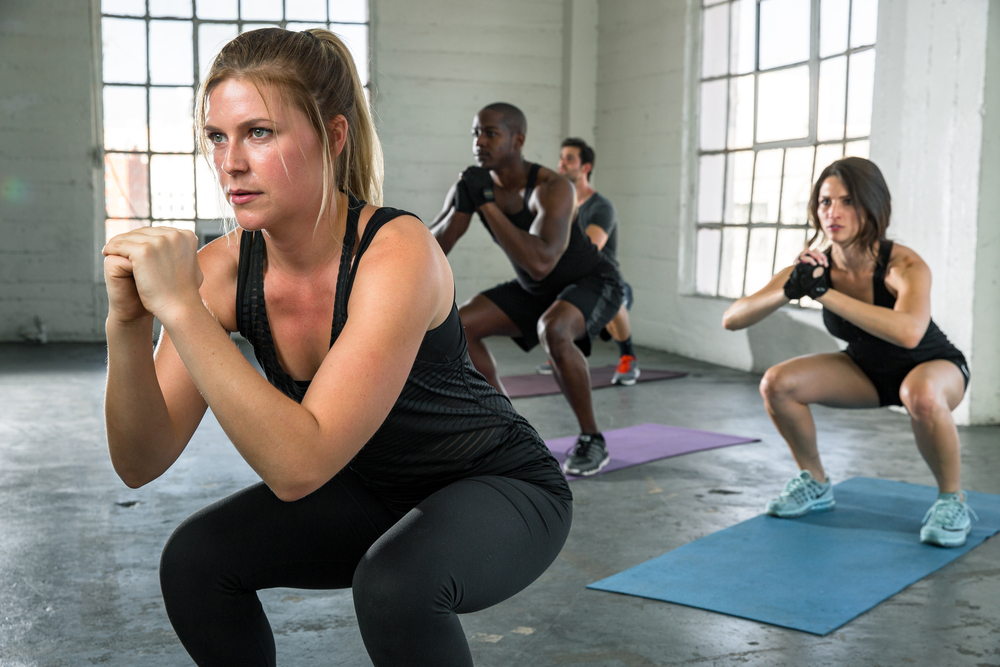

The way Singaporeans train has changed dramatically in recent years. Many adults no longer rely solely on how a workout feels. Instead, they use wearables, heart rate tracking, sleep analysis and HRV (heart rate variability) scores to guide their training intensity. This shift has made workouts more efficient, more personalised and safer for busy individuals who want results without guesswork. When combined with structured sessions, fitness hiit training becomes one of the most powerful ways to apply data driven fitness to achieve faster progress.
Today’s wearables offer insights into recovery, stress levels, heart rate zones and daily readiness. Yet, many people do not know how to use these numbers to customise their HIIT sessions. Understanding what the data means is the key difference between training harder and training smarter. When you interpret your metrics correctly, you can adjust intensity, choose the right class formats and optimise recovery so your results improve steadily rather than inconsistently.
Later in this article, you will also see how True Fitness Singapore supports data driven training with structured class formats, instructor guidance and an environment where members can monitor intensity safely and effectively.
Why Data Driven Training Matters More Than Ever For Singapore Adults
Many adults in Singapore juggle demanding work, unpredictable schedules, insufficient sleep and high mental load. This combination affects physical performance in ways that are not always obvious. Wearables and recovery metrics reveal hidden stressors that traditional training methods often ignore.
Here is why data driven HIIT is especially useful in Singapore:
High Workload And Irregular Rest
Desk bound adults often feel mentally fatigued, but not physically aware of how tired their bodies actually are. HRV and resting heart rate offer insight into internal stress that is otherwise invisible.
Large Variations In Daily Readiness
Some days the body is primed for high intensity. Other days it needs recovery. Wearables help you adjust HIIT intensity according to your readiness instead of forcing a one speed approach.
Prevents Overtraining
Many motivated gym goers accidentally push too hard too often. Data driven training protects them from burnout while still encouraging steady progress.
Supports Better Long Term Results
Tracking recovery, intensity zones and heart rate patterns creates sustainable improvements instead of random fluctuations in performance.
HIIT becomes even more effective when the effort is personalised using real data rather than assumptions.
Key Metrics That Improve Your HIIT Training
To use data effectively, you need to understand which numbers matter most.
Heart Rate Zones
Most HIIT intervals fall into moderate, hard or very hard zones. Wearables help you stay within the right zone.
Benefits of zone tracking:
-
Prevents overexertion
-
Supports cardiovascular progression
-
Creates consistency across sessions
HRV (Heart Rate Variability)
HRV reflects how ready your body is for stress. High HRV = good recovery. Low HRV = the body needs rest or lighter training.
HRV helps you decide:
-
Whether to push harder
-
Whether to reduce intensity
-
When to prioritise recovery or mobility sessions
Resting Heart Rate (RHR)
A consistently lower resting heart rate reflects better cardiovascular health. A sudden increase can signal stress, dehydration or poor sleep.
RHR helps you identify:
-
Overreaching
-
Illness
-
Dehydration
-
Under recovery
Sleep Quality
Wearables track:
-
Deep sleep
-
REM cycles
-
Restlessness
-
Sleep duration
Poor sleep lowers performance. Good sleep enhances HIIT output.
Cadence And Movement Efficiency
Some wearables track steps per minute or stride patterns. This helps refine movement efficiency for exercises like running intervals or lateral shuffles.
Understanding these numbers gives clarity on how each HIIT session should be adjusted.
How Fitness HIIT Training Benefits From Wearable Data
HIIT naturally combines periods of intense effort followed by controlled recovery. Wearable data helps you personalise those intervals to match your body’s state.
Personalised Intensity Control
Your watch may show you are in the red zone (maximum effort) too early. You can dial back slightly to maintain safe, sustainable output.
Better Interval Execution
Instead of guessing whether you are pushing hard enough, you can check if you hit the desired zone each time.
Improved Recovery Timing
Wearables help determine how long your body needs between intense bursts. You can rely on numbers rather than subjective feeling.
Clear Progress Markers
Over time, you will notice:
-
Faster heart rate recovery
-
Lower heart rate for the same intensity
-
Higher peak power output
-
Better control of breathing
These improvements are measurable and motivating.
Greater Safety For Adults Over 30
HRV and heart rate alerts can prevent adults from pushing too hard on low readiness days.
Data driven HIIT avoids the “train till you drop” mindset and replaces it with intelligent progression.
How To Use HRV To Plan HIIT Days And Recovery Days
HRV is one of the most valuable metrics for decision making.
High HRV Day
Your body is ready for:
-
Hard intervals
-
Power based movements
-
Strong cardiovascular output
Medium HRV Day
Choose:
-
Moderate intensity intervals
-
Strength dominant blocks
-
Shorter HIIT sessions
Low HRV Day
Avoid high intensity. Instead, choose:
-
Mobility work
-
Light walking
-
Stretching
-
Recovery based classes
Matching intensity with HRV prevents burnout and ensures your progress stays consistent over months, not days.
How True Fitness Singapore Enhances Data Driven HIIT Training
A data informed approach works best when paired with structured programmes. This is where True Fitness Singapore provides strong advantages.
They offer:
-
Timed Les Mills GRIT intervals that align with heart rate zone expectations
-
Class structures that make it easier to compare performance across sessions
-
Instructor guidance on pacing, form and breathing
-
A safe, spacious environment to push intensity without risk
-
A variety of interval formats for different readiness levels
Members can use their wearable data before, during and after class to adjust effort, track progress and personalise their training approach.
How To Structure A Data Driven HIIT Week
This weekly structure works for adults with standard work schedules.
Monday: High Intensity (If HRV Is High)
-
Peak interval output
-
Power based movements
Tuesday: Moderate Day
-
Strength intervals
-
Lower heart rate targets
Wednesday: Recovery Or Mobility
-
Gentle movement
-
Stretch based work
Thursday: High Intensity
-
Strong cardiovascular intervals
-
Challenging but controlled pace
Friday: Light Strength Work
-
Core stability
-
Slow tempo squats
-
Controlled lunges
Weekend: Optional HIIT Depending On HRV
Check wearable metrics to decide readiness.
This plan prevents overtraining while ensuring strong performance days are used strategically.
A Sample Data Informed HIIT Session
Here is how a structured session might look when guided by wearable data.
Warm Up
-
HR zone: light
-
Focus: breathing, activation, mobility
Main Block 1 (High Intensity)
-
Target: 80 to 90 percent of maximum heart rate
-
Exercises: fast squats, power marches, lateral runs
Recovery Interval
-
Watch: monitor heart rate drop
-
Goal: recover 40 to 60 percent toward baseline
Main Block 2 (Strength And Control)
-
Moderate intensity
-
Exercises: controlled lunges, planks, hinge patterns
Cool Down
-
Watch: focus on heart rate normalisation
This combination balances effort with safety.
Common Mistakes People Make When Training With Wearables
Over analysing numbers
Data should guide choices, not create stress.
Ignoring recovery metrics
Many adults push hard despite low HRV or poor sleep, which slows progress.
Training only when numbers look perfect
Consistency matters more than perfect conditions.
Comparing data with friends
Everyone has unique physiology. Use your own numbers, not someone else’s.
Avoiding these mistakes ensures data improves your training instead of complicating it.
Signs Your Data Driven HIIT Approach Is Working
You will begin noticing improvements such as:
-
Lower resting heart rate
-
Better sleep patterns
-
Faster heart rate recovery
-
More stable energy during the day
-
Stronger interval performance
-
Fewer days of unexplained fatigue
-
Better mood and mental clarity
These changes reflect healthier internal systems and more efficient training.
Real Life FAQ
Q1. Do I need an expensive wearable to benefit from data driven HIIT?
No. Even basic heart rate tracking and a simple HRV feature provide enough insight to guide intensity.
Q2. Is HRV reliable for daily training decisions?
Yes, when viewed as a trend rather than a one day reading. Use 5 to 7 day averages for accuracy.
Q3. Should I avoid HIIT completely on low HRV days?
Not always. You can still train but choose lower intensity or strength based formats.
Q4. Can HIIT still work without data tracking?
Yes, but data enhances personalisation and helps prevent overtraining.
Q5. Does training with wearables improve results faster?
Most people progress faster because they match intensity to recovery, leading to better quality sessions.
