


Introduction
Enterprises are increasingly turning to multi-cloud strategies to meet the demands of modern digital operations. Instead of depending on a single cloud provider, organizations leverage multiple platforms to achieve optimal performance, improved reliability, and greater strategic control. This shift reflects both technological advancements and changing business priorities.
Working with an azure migration consultant uk helps businesses develop customized cloud migration strategies based on their operational requirements. Professional guidance reduces migration risks, enhances security, and ensures applications and workloads transition smoothly into Azure while maximizing performance and long-term return on investment.
What Is a Multi-Cloud Strategy?
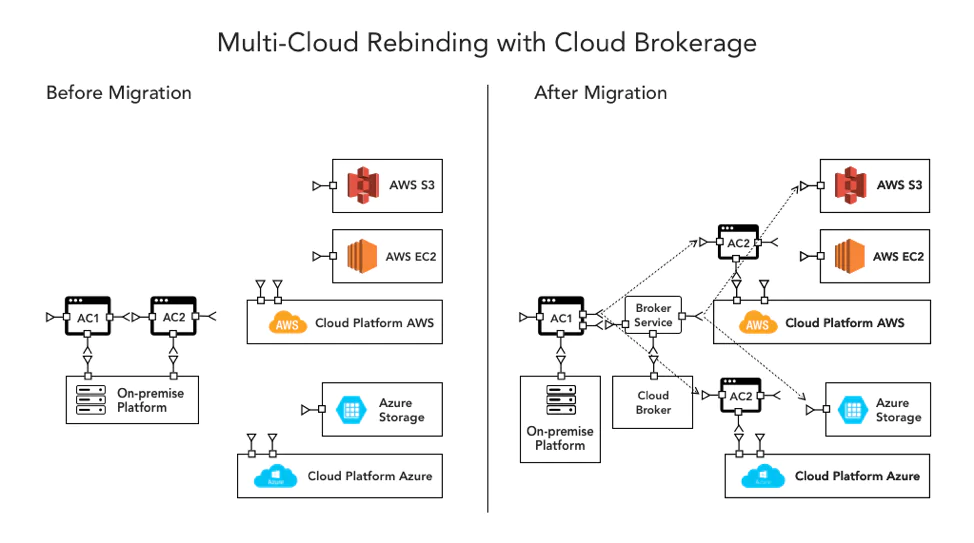
A multi-cloud strategy refers to using multiple cloud service providers—such as AWS, Google Cloud, and Microsoft Azure—to host workloads, applications, and data. This approach enables businesses to select the most suitable services for each task, enhance operational agility, and reduce risk.
Why Multi-Cloud Strategies Are on the Rise
1. Avoiding Vendor Lock-In
Businesses seek to avoid being tied to a single provider’s pricing structure, roadmap, or service limitations. Multi-cloud strategies offer:
-
Greater negotiating power
-
Freedom to adopt the best technologies
-
Reduced reliance on proprietary tools
2. Enhancing Reliability and Resilience
Outages at even the largest cloud providers can disrupt operations and lead to financial losses. By distributing workloads across multiple platforms, companies improve:
-
Redundancy
-
Failover capabilities
-
Business continuity during cloud disruptions
3. Improving Global Performance
Different cloud providers excel in different geographic regions. Multi-cloud allows organizations to:
-
Select the lowest-latency environment per region
-
Enhance user experience
-
Support global expansion initiatives
4. Leveraging Best-in-Class Services
Each cloud provider offers unique strengths. A multi-cloud approach enables businesses to combine:
-
Advanced analytics tools from one platform
-
AI/ML capabilities from another
-
High-performance storage or networking from a third
This flexibility supports innovation and tailored digital transformation.
5. Strengthening Security and Compliance
Multi-cloud architectures help organizations meet regulatory obligations and improve data governance through:
-
Regional workload placement
-
Provider-specific compliance certifications
-
Layered security configurations
This is especially crucial for industries like finance, healthcare, and government.
6. Cost Optimization and Budget Flexibility
By comparing offerings across providers, organizations can:
-
Select the most cost-effective services
-
Avoid unexpected cost spikes
-
Scale intelligently without overspending
This helps manage budgets more effectively.
7. Preparing for Future Technological Growth
The tech landscape evolves rapidly, making flexibility essential. Multi-cloud strategies support:
-
Faster adoption of emerging technologies
-
Smooth transitions between platforms
-
Scalable architectures such as microservices and containers
This future-proofs IT strategies against rapid market changes.
Conclusion
Multi-cloud strategies are rising because they deliver freedom, resilience, performance, and innovation. As organizations expand their digital ecosystems, relying on multiple cloud providers is becoming a strategic standard rather than a niche approach. The future of cloud computing lies in flexibility—and multi-cloud is at the heart of that transformation.
FAQs
1. Is multi-cloud the same as hybrid cloud?
No. Hybrid cloud combines private and public clouds, while multi-cloud uses multiple public cloud providers at once.
2. Does multi-cloud increase costs?
It can, but many organizations actually save money through optimized workload placement and competitive pricing.
3. What are the biggest challenges of managing multi-cloud environments?
Common hurdles include integration complexity, management overhead, and the need for multi-cloud expertise.
4. Can a multi-cloud strategy improve application performance?
Yes. Applications can run on the provider offering the best speed, capacity, or geographic presence.
5. Is multi-cloud suitable for small and medium businesses?
Absolutely. SMBs benefit from flexibility, cost control, and access to specialized cloud services.
6. How do companies manage multi-cloud security?
They use identity management tools, encryption, automation, and unified security policies across platforms.
7. Which industries benefit most from multi-cloud adoption?
Sectors with high compliance and performance demands—finance, healthcare, retail, and technology—are leading adopters.
